October 22, 2026
Unnoticed mechanical inefficiencies in residential plumbing units can quietly drive up monthly utility expenses long before total appliance breakdown occurs. Scheduling regular local water heater repair allows experienced plumbing technicians to identify subtle internal defects, hidden sediment buildup, and faulty heating elements early. Nearby service specialists possess direct knowledge of regional water quality issues and environmental conditions that degrade system components over time. By taking a proactive approach to routine equipment maintenance, homeowners protect their household budgets, extend appliance operational lifespans, and prevent sudden utility bill surges. Timely professional interventions keep hot water flowing efficiently throughout your home all year long.
Identifying Sediment Buildup Through Routine Flushing
Sediment accumulation represents one of the primary causes of sudden energy inefficiency within residential hot water systems. Calling expert local water heater repair specialists ensures that mineral deposits settled at the bottom of your storage tank are systematically flushed away. Over time, naturally occurring minerals create a thick insulating barrier between the heating element and the water supply, forcing the system to run longer to reach desired temperatures. According to Market Research Future, hard water can double energy use in water heaters and leads homeowners to spend 20–30% more on energy overall due to scale-induced inefficiencies in appliances.
Inspecting Heating Elements With Precision Testing
Faulty electrical heating elements or malfunctioning gas burners force plumbing appliances to work excessively hard to maintain consistent water temperatures. Engaging certified local water heater repair professionals enables thorough electrical diagnostic testing to verify that upper and lower heating elements receive proper voltage. When one element burns out, the remaining component operates continuously to make up for lost heat output, resulting in significant electricity waste. Skilled technicians use specialized multimeter tools to detect subtle electrical resistance changes, replacing worn heating components before utility costs rise dramatically. Timely component replacements restore heating efficiency and prevent unexpected cold showers during morning routines.
Monitoring Thermostat Settings for Optimal Performance
Incorrect temperature settings can cause water heating units to consume excessive energy needlessly while accelerating internal tank wear. Contracting knowledgeable local water heater repair technicians allows homeowners to calibrate internal thermostats to recommended energy-efficient levels, typically around 120 degrees Fahrenheit. Uncalibrated thermostats often misread internal temperatures, causing burners to cycle continuously and heat water far beyond necessary safety standards. Professional plumbers adjust dual-thermostat setups on electric models to ensure balanced heating across the entire storage tank. Correcting thermostat inaccuracies lowers monthly standby energy losses, prevents painful scalding hazards, and keeps energy bills consistently predictable month after month.
Detecting Hidden Leaks With Thorough Inspections
Minor plumbing leaks along supply lines, pressure relief valves, or tank bases allow heated water to escape continuously without immediate detection. Hiring dedicated local water heater repair plumbers ensures that subtle moisture collection around pipe fittings and temperature-pressure relief valves is identified quickly. Continuous water loss forces the appliance to replenish and heat cold incoming water perpetually, generating high monthly water and energy charges. Professional plumbing contractors replace worn rubber gaskets, faulty relief valves, and loose connections to seal the entire system completely. Fixing small moisture leaks promptly preserves structural building materials and prevents expensive water damage across adjacent flooring.
Evaluating Anode Rods for Corrosion Prevention
Sacrificial anode rods protect internal steel tank linings from aggressive rust and mineral corrosion by attracting corrosive particles directly to themselves. Requesting timely local water heater repair services allows technicians to check the physical depletion level of your tank’s sacrificial rod during routine maintenance visits. Once an anode rod deteriorates completely, corrosive minerals begin attacking the tank walls, leading to internal metal degradation and eventual structural leaks. Plumbers easily unscrew depleted rods and install fresh magnesium or aluminum replacements, adding years of service life to the appliance. Maintaining proper anode protection prevents premature tank failure and avoids costly emergency replacements.
Checking Pressure Valves Through Safety Testing
Excessive internal tank pressure strains plumbing seals, degrades heating efficiency, and poses serious physical safety risks if left unaddressed. Professional local water heater repair specialists inspect temperature and pressure relief valves to verify that excess pressure vents safely without sticking closed. Trapped pressure forces internal components to operate under intense mechanical stress, leading to hairline tank fractures and inefficient thermal transfer. Technicians manually test valve levers, clearing small mineral obstructions that prevent proper pressure regulation. Regular pressure valve testing safeguards your household against catastrophic tank ruptures, preserves mechanical integrity, and ensures smooth, efficient operation under varying household water demands.
Insulation Upgrades Through Thermal Inspection
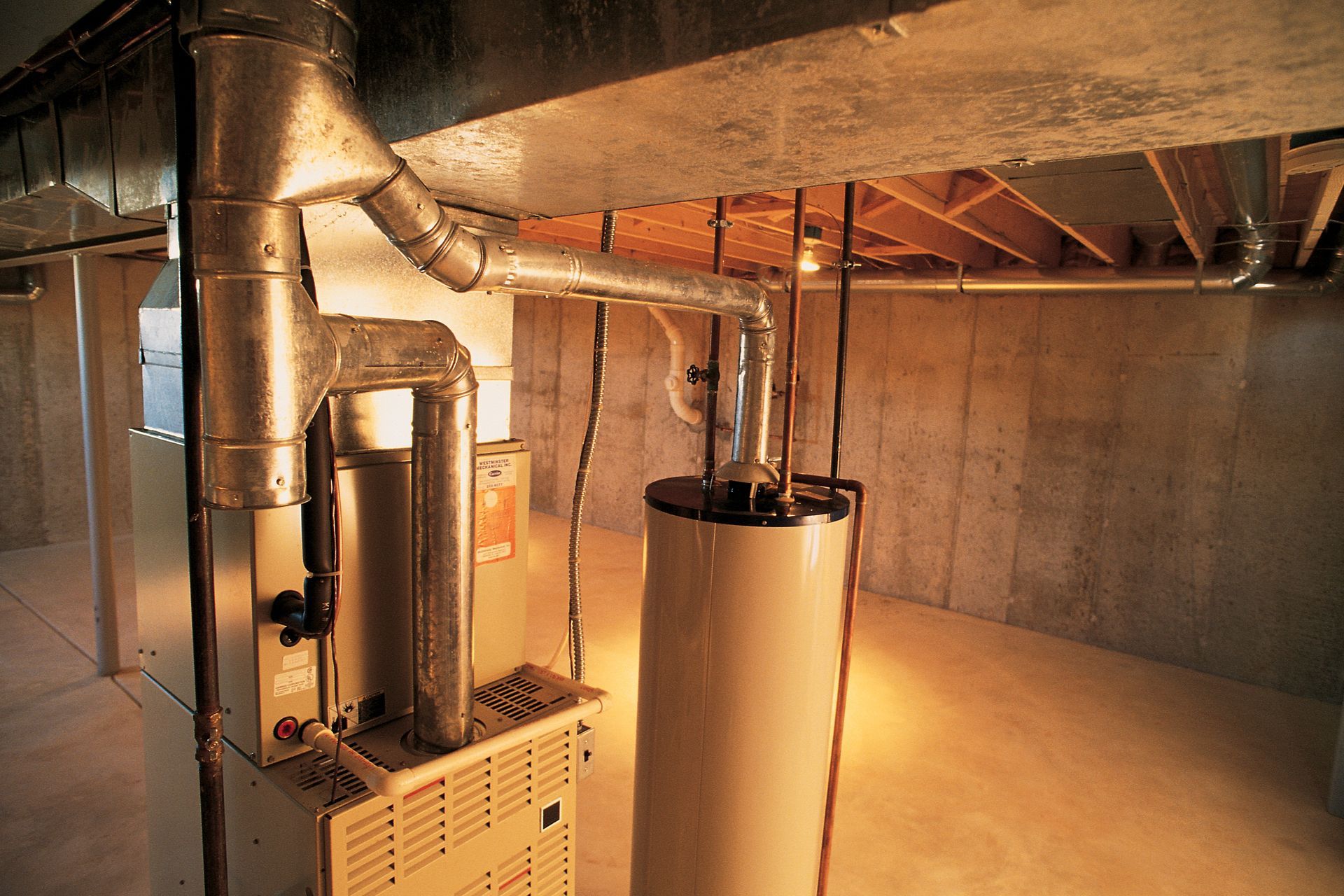
Uninsulated water storage tanks continuously lose thermal energy to surrounding garage or basement air, forcing heating elements to cycle repeatedly. Experienced plumbing technicians evaluate ambient heat loss during routine maintenance, recommending heavy-duty insulation blankets or pipe lagging where beneficial. Wrapping older storage tanks and exposed hot water pipes prevents rapid heat dissipation, reducing standby energy consumption significantly. Plumbers ensure that insulation materials are applied safely without obstructing air intake vents or burner access panels on gas models. Adding thermal insulation keeps stored water hotter for longer periods, reducing the overall workload on heating elements and stabilizing monthly utility costs.
Calibrating Gas Burners With Advanced Diagnostics
Gas-powered water heating units require precise air-to-fuel ratios to burn fuel cleanly, safely, and efficiently without producing excess soot. Professional plumbing specialists inspect burner assemblies, pilot light assemblies, and gas control valves to clear dust, lint, and carbon buildup. Blocked gas jets lead to incomplete combustion, wasting natural gas while increasing toxic carbon monoxide risks within residential spaces. Plumbers adjust flame heights and clean burner ports to restore crisp blue flames that transfer heat directly into the water storage tank. Maintaining clean burner mechanics maximizes fuel efficiency, minimizes hazardous emissions, and lowers natural gas bills during cold weather months.
Assessing Pipe Connections With Visual Surveys
Corroded inlet and outlet pipe connections restrict incoming water flow, increase mechanical resistance, and cause localized heat loss along plumbing lines. Qualified service technicians examine dielectric unions and flex connectors to ensure dissimilar metals do not cause galvanic corrosion at connection points. Replacing corroded fittings eliminates restricted water flow, allowing hot water to travel smoothly to kitchen sinks, dishwashers, and bathroom showers. Plumbers also verify that thermal expansion tanks are properly pressurized to absorb excess water volume during heating cycles. Maintaining sound pipe connections preserves overall system water pressure, reduces mechanical wear, and protects home plumbing networks from sudden pressure spikes.
Balancing System Capacity Through Demand Analysis
Using a water heating unit that is too small for household demand forces the system to operate constantly at peak capacity, driving up energy costs. Professional plumbing specialists evaluate daily hot water consumption habits and compare them against your appliance's actual recovery rate and first-hour rating. If family growth or new appliances outpace system capacity, plumbers recommend targeted upgrades, such as installing booster valves or transitioning to energy-efficient tankless configurations. Matching equipment capacity to actual household usage prevents continuous heating cycles that prematurely wear out internal components. Proper sizing ensures reliable hot water delivery, improves overall energy efficiency, and keeps monthly utility bills manageable.
Protecting your home from skyrocketing utility expenses requires consistent appliance oversight, timely component repairs, and expert professional plumbing guidance. Relying on routine maintenance allows homeowners to identify subtle mechanical inefficiencies, mineral scale accumulation, and minor water leaks before they evolve into costly plumbing emergencies. Partnering with certified service technicians ensures that heating elements, thermostats, burners, and safety valves function at peak energy efficiency throughout their operational lifespans. Proactive equipment care protects your family budget from sudden financial surprises while keeping hot water readily available for daily household needs. Prioritizing routine maintenance secures long-term appliance reliability, lowers monthly energy bills, and delivers complete peace of mind.
Are you seeking professional local water heater repair services in Lenoir City, TN, and the surrounding areas? The experts at Chris Davis Plumbing have you covered! Contact us today to schedule your next service appointment.